Cultural Influences in Fashion: How Culture Shapes Trends
- Ramfat Kitchen

- Apr 20
- 4 min read
Fashion is more than just clothing. It is a reflection of culture, history, and identity. Every piece of fabric, every pattern, and every style tells a story about the people who wear it and the society they live in. In this post, I will explore how cultural influences in fashion shape trends around the world. I will share examples, explain the process, and offer practical tips for embracing cultural diversity in your wardrobe.
Understanding Cultural Influences in Fashion
Culture affects fashion in many ways. It influences the colors we choose, the fabrics we use, the designs we create, and the way we wear clothes. Cultural traditions, beliefs, and values often inspire fashion designers and consumers alike. For example, African textiles like Ankara and Kente cloth have vibrant patterns and deep meanings that represent community and heritage. These fabrics have gained global popularity and are now seen in fashion shows and street styles worldwide.
Cultural influences also come from historical events, social movements, and geographic factors. For instance, the hippie movement of the 1960s brought a wave of bohemian styles that emphasized freedom and peace. Similarly, the climate of a region affects the materials and cuts used in clothing. Lightweight cottons and linens are common in hot climates, while wool and heavier fabrics dominate colder areas.
By understanding these cultural roots, we can appreciate fashion beyond aesthetics. We see it as a form of expression and connection to our past and present.

Examples of Cultural Impact on Fashion Trends
Let me share some specific examples of how culture has shaped fashion trends:
Japanese Kimono Influence
The kimono, a traditional Japanese garment, has inspired many designers. Its wide sleeves, wrap style, and obi belt have been adapted into modern dresses, jackets, and robes. This influence brings elegance and simplicity to contemporary fashion.
Indian Embroidery and Textiles
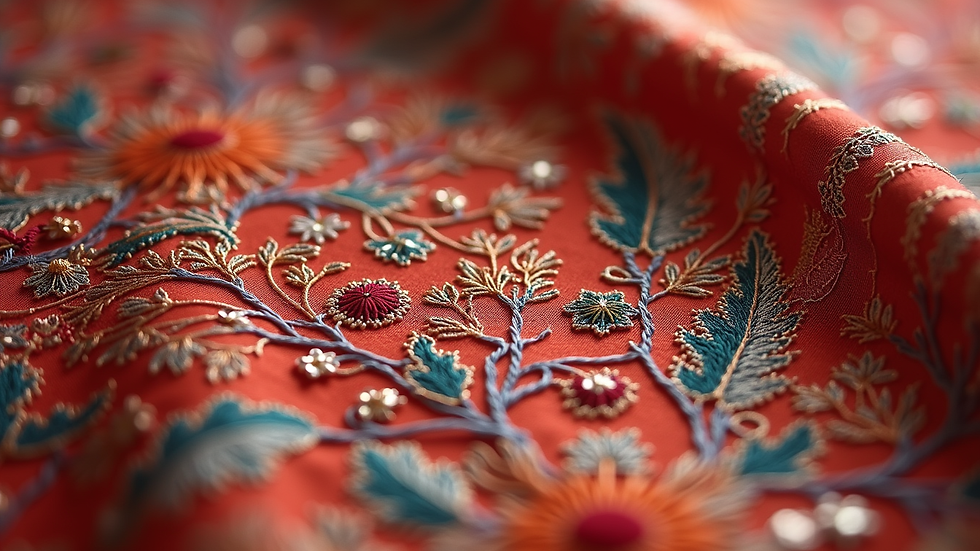
Indian fashion is known for its intricate embroidery, rich fabrics like silk, and bold colors. These elements have been incorporated into Western fashion through embroidered jackets, saree-inspired gowns, and jewel-toned accessories.
African Prints and Accessories
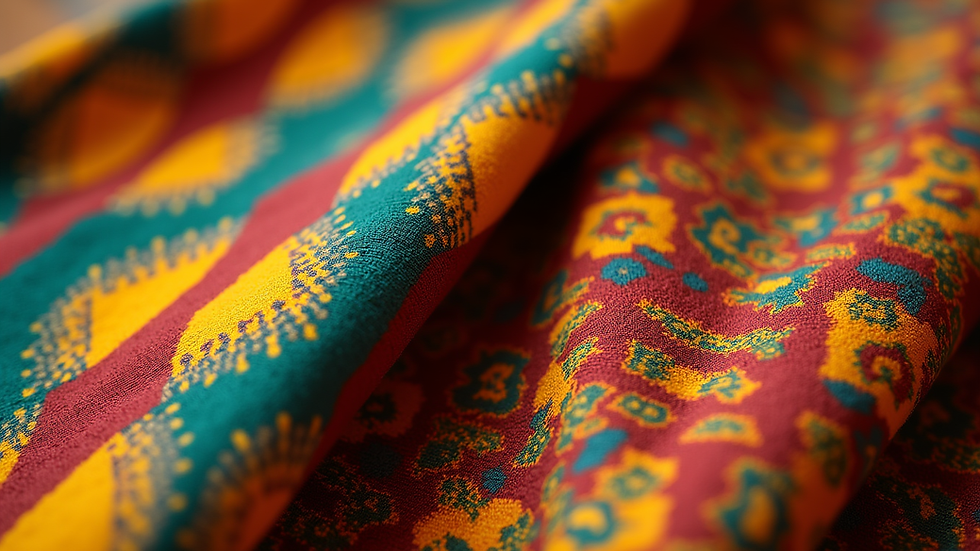
African prints are not only vibrant but also carry symbolic meanings. Designers use these prints to create statement pieces that celebrate African heritage. Accessories like beaded jewelry and headwraps also add cultural depth to fashion.
Western Cowboy Style
The rugged cowboy look with denim, boots, and hats reflects the American West’s history. This style has influenced casual and streetwear fashion globally.
These examples show how cultural elements can be adapted and reinterpreted to create new trends. They also highlight the importance of respecting the origins and meanings behind these styles.
How Culture Shapes Fashion Choices
Culture shapes fashion choices in several ways. Here is a step-by-step look at the process:
Cultural Identity and Pride
People often choose clothing that reflects their cultural identity. Wearing traditional garments or culturally inspired fashion can express pride and belonging.
Globalization and Exchange
With increased global communication, fashion ideas travel faster. Designers and consumers borrow styles from different cultures, creating fusion trends.
Social and Political Statements
Fashion can be a tool for social change. Cultural fashion can challenge stereotypes, promote diversity, and raise awareness about cultural issues.
Economic Factors
The demand for culturally inspired fashion creates markets for artisans and designers from various regions. This supports local economies and preserves traditional crafts.
Media and Celebrities
Media exposure and celebrity endorsements popularize cultural fashion. When influential figures wear culturally inspired pieces, they set new trends.
By following these steps, fashion evolves while honoring cultural roots. It is a dynamic process that balances tradition and innovation.
Practical Tips for Embracing Cultural Fashion
If you want to incorporate cultural influences into your wardrobe, here are some practical tips:
Learn About the Culture
Before wearing culturally inspired fashion, take time to understand its significance. This shows respect and appreciation.
Start Small
Begin with accessories like scarves, jewelry, or bags that feature cultural designs. These are easy to mix with your existing wardrobe.
Support Authentic Brands
Choose products from brands that work directly with artisans or communities. This helps preserve cultural heritage and supports fair trade.
Mix and Match Thoughtfully
Combine cultural pieces with modern basics to create balanced looks. Avoid cultural appropriation by being mindful of context and meaning.
Experiment with Colors and Patterns
Don’t be afraid to try bold colors and prints. Cultural fashion often celebrates vibrancy and creativity.
Attend Cultural Events
Visiting cultural festivals or exhibitions can inspire your fashion choices and deepen your understanding.
By following these steps, you can enjoy diverse fashion styles while honoring their cultural origins.
The Future of Cultural Fashion Trends
The future of fashion lies in diversity and inclusion. As more people appreciate cultural influences, fashion will continue to evolve in exciting ways. Brands like Ramfat aim to become recognized for blending styles that include African products and other culturally inspired designs. This approach not only offers unique fashion but also connects customers to rich cultural stories.
Technology will also play a role. Digital platforms allow designers from different cultures to showcase their work globally. Consumers can access authentic cultural fashion more easily than ever before.
In the coming years, I expect to see more collaborations between cultures, sustainable practices that respect traditional crafts, and fashion that celebrates identity and heritage.
Fashion is a powerful way to express who we are and where we come from. By embracing cultural influences, we enrich our style and our understanding of the world.
Thank you for reading! I hope this post inspires you to explore cultural fashion trends and incorporate them into your wardrobe with respect and creativity.




Comments