How Cultural Textile Patterns Reflect and Shape Culture
- Ramfat Kitchen

- Apr 20
- 4 min read
Textiles are more than just fabrics. They tell stories, carry traditions, and express identity. When I explore cultural textile patterns, I see how they reflect the values, history, and creativity of different communities. These patterns shape culture by preserving heritage and inspiring new styles. In this post, I will guide you through the fascinating world of textiles and their cultural significance. You will learn how textiles connect us to the past and influence modern life.
Understanding Cultural Textile Patterns
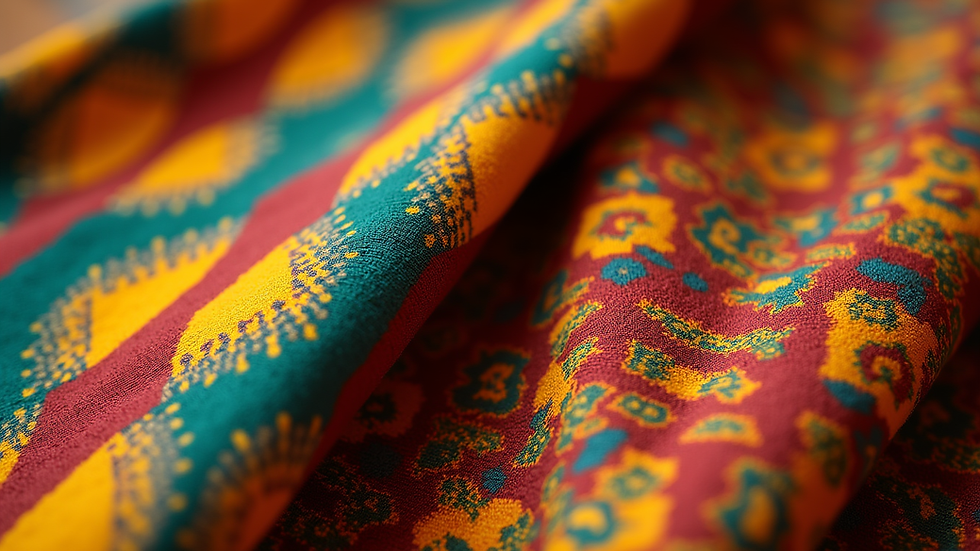
Cultural textile patterns are designs that represent the customs and beliefs of a group of people. These patterns often use symbols, colors, and shapes that have special meanings. For example, in many African cultures, textiles like kente cloth use bright colors and geometric shapes to tell stories about family, status, and achievements. In Japan, kimono fabrics feature motifs like cherry blossoms and cranes, symbolizing beauty and longevity.
These patterns are not random. They are carefully created to communicate messages and preserve traditions. When I study these textiles, I pay attention to the materials, weaving techniques, and dyes used. Each element adds to the story the fabric tells.
How Patterns Reflect Identity
Patterns often reflect the identity of a community. They show where people come from and what they value. For example, Native American textiles use patterns that connect to nature and spirituality. The Navajo tribe’s rugs feature diamonds and zigzags that represent mountains and rivers. Wearing or displaying these textiles is a way to honor heritage and express pride.
In India, textiles like sarees and shawls use patterns that vary by region. The paisley design, for instance, originated in Persia but became popular in Indian fabrics. It symbolizes fertility and life. By choosing certain patterns, people show their cultural roots and social status.
The Role of Textiles in Shaping Culture
Textiles do not just reflect culture; they also shape it. They influence fashion, art, and social customs. When a textile pattern becomes popular, it can inspire new trends and creative expressions. For example, the global popularity of batik from Indonesia has led to new fashion styles and home decor items worldwide.
Textiles also shape culture by supporting local economies and craftsmanship. Many communities rely on traditional textile production for income. By preserving these skills, they keep their culture alive and pass it on to future generations. When I buy or wear textiles with cultural patterns, I support this cycle of creativity and tradition.
Textiles as a Medium of Communication
Textiles can communicate messages without words. In some cultures, specific patterns or colors are used for ceremonies or social events. For example, in Ghana, certain kente cloth patterns are reserved for kings and important occasions. Wearing these patterns signals respect and status.
In Scotland, tartan patterns identify different clans. Each clan has its own unique design, and wearing it shows loyalty and belonging. This use of textiles as a language helps maintain social order and cultural identity.
Exploring Textile Techniques and Their Cultural Significance
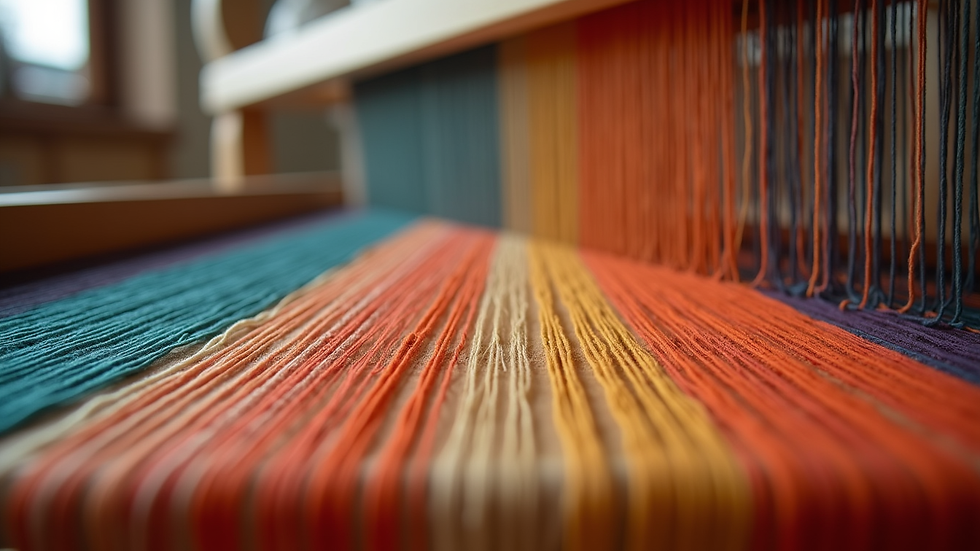
Different cultures use unique techniques to create their textiles. These methods add meaning and value to the fabric. For example, hand-weaving is a skill passed down through generations in many parts of the world. It requires patience and precision, making each piece special.
Dyeing techniques also carry cultural importance. The indigo dye used in West African textiles is prized for its deep blue color and natural origin. In Japan, shibori is a tie-dye technique that creates intricate patterns. These methods connect people to nature and tradition.
Preserving Textile Heritage
Preserving textile heritage means protecting these techniques and patterns from disappearing. Many organizations and artisans work to document and teach traditional textile arts. When I learn about these efforts, I feel encouraged to appreciate and support cultural diversity.
You can help by choosing textiles made with traditional methods and by sharing their stories. This helps keep the culture alive and respected.
How to Incorporate Cultural Textile Patterns into Your Lifestyle
If you want to add cultural textile patterns to your life, there are many ways to do it stylishly and respectfully. Here are some practical tips:
Start with accessories - Scarves, bags, and jewelry featuring cultural patterns are easy to add to your wardrobe.
Choose home decor - Pillows, rugs, and wall hangings with traditional designs can brighten your living space.
Learn the story - Understand the meaning behind the patterns you use. This shows respect and deepens your connection.
Support artisans - Buy from makers who use authentic techniques and materials.
Mix and match - Combine cultural textiles with modern pieces for a unique look.
By following these steps, you can enjoy the beauty of cultural textile patterns while honoring their origins.
The Future of Cultural Textile Patterns
Cultural textile patterns continue to evolve. Designers blend traditional motifs with contemporary styles to create fresh looks. This fusion keeps culture dynamic and relevant. It also opens new opportunities for creativity and expression.
At the same time, technology is changing how textiles are made. Digital printing and new materials offer exciting possibilities. However, it is important to balance innovation with respect for tradition.
I believe that cultural textile patterns will remain a vital part of our lives. They connect us to our roots and inspire us to create. By appreciating and sharing these patterns, we contribute to a more stylish and diverse lifestyle.
Exploring cultural textile patterns has shown me how deeply fabric is woven into human experience. These patterns are not just decoration; they are living stories that shape who we are. Whether through fashion, art, or daily life, textiles offer a way to celebrate culture and creativity. I encourage you to discover and embrace these beautiful patterns in your own life.


Comments