Textile Innovation in Fashion: The Foundation of Fashion Trends
- Ramfat Kitchen

- Apr 6
- 4 min read
Fashion is more than just clothing. It is a reflection of culture, creativity, and innovation. At the heart of every fashion trend lies textiles. Textiles are the foundation of fashion trends. They shape how garments look, feel, and perform. Understanding textiles helps us appreciate fashion on a deeper level. It also guides us in making smart choices when selecting clothes that express our style and values.
The Role of Textiles in Fashion Trends
Textiles are the materials used to make clothing and accessories. They include natural fibers like cotton, wool, and silk, as well as synthetic fibers like polyester and nylon. The choice of textile affects the texture, durability, and comfort of a garment. It also influences how a piece fits into current fashion trends.
For example, in recent years, sustainable textiles have gained popularity. Consumers want eco-friendly fabrics that reduce environmental impact. This demand drives designers to innovate with organic cotton, bamboo, and recycled fibers. These textiles not only support sustainability but also create unique textures and finishes that set new trends.
Textiles also determine the color and pattern possibilities. Some fabrics absorb dye better, resulting in vibrant colors. Others hold prints and embroidery well, adding artistic details. When a textile becomes trendy, it often sparks a wave of new designs and styles.
Textile Innovation in Fashion
Innovation in textiles is transforming the fashion industry. New technologies and materials are expanding what is possible in design and function. For example, smart textiles can change color or regulate temperature. These innovations offer exciting opportunities for fashion-conscious individuals who want clothing that adapts to their lifestyle.
One major area of innovation is in fabric blends. Combining natural and synthetic fibers can enhance durability and comfort. For instance, blending cotton with spandex adds stretch, making garments more flexible and flattering. This kind of innovation supports active lifestyles while maintaining style.
Another innovation is in fabric treatments. Techniques like water-repellent coatings or anti-wrinkle finishes improve garment performance. These treatments make clothes easier to care for and more practical for everyday wear. They also influence fashion trends by enabling new silhouettes and textures.
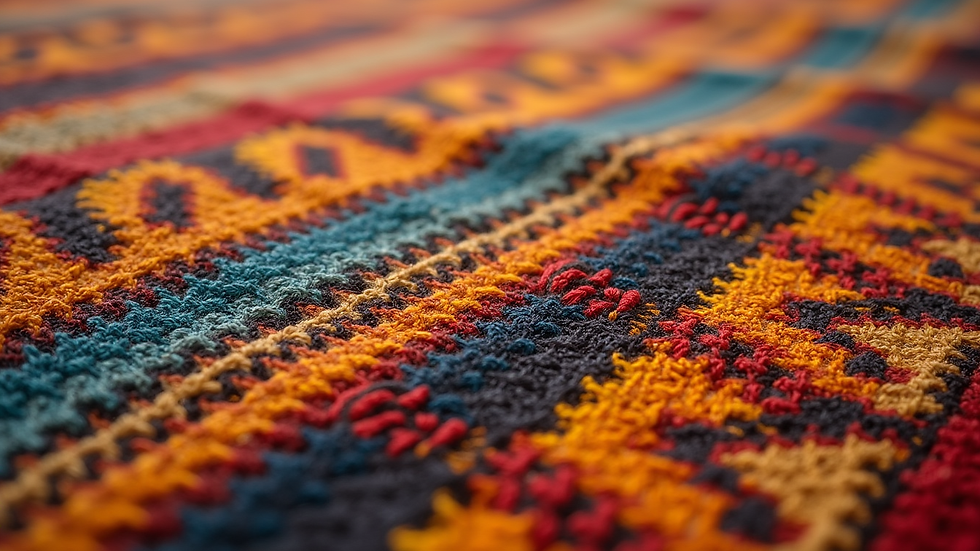
Close-up view of colorful woven African textile fabric
How Textiles Influence Fashion Styles
Textiles shape fashion styles by defining the look and feel of garments. Different fabrics create different moods and aesthetics. For example, silk conveys luxury and elegance, while denim suggests casual and rugged style. Understanding textiles helps us recognize why certain styles become popular.
In African-inspired fashion, textiles play a crucial role. Traditional fabrics like Ankara and Kente are known for their bold patterns and vibrant colors. These textiles carry cultural significance and tell stories through their designs. When incorporated into modern fashion, they create unique styles that celebrate heritage and creativity.
Textiles also affect garment structure. Stiff fabrics like taffeta hold shape and volume, perfect for dramatic dresses. Soft fabrics like jersey drape smoothly, ideal for relaxed fits. Designers choose textiles carefully to achieve the desired style and movement.
Practical Tips for Choosing Textiles in Fashion
Choosing the right textile can enhance your wardrobe and personal style. Here are some practical tips to consider:
Know the fiber content - Natural fibers like cotton and wool are breathable and comfortable. Synthetic fibers often offer durability and stretch.
Consider the occasion - Lightweight fabrics suit warm weather and casual wear. Heavier fabrics work well for formal or cold-weather clothing.
Check care instructions - Some textiles require special care, like dry cleaning or hand washing. Choose fabrics that fit your lifestyle.
Feel the texture - Touch the fabric to assess softness and weight. This helps you imagine how the garment will feel when worn.
Look for innovation - Explore textiles with new features like moisture-wicking or UV protection for added benefits.
By paying attention to textiles, you can build a versatile and stylish wardrobe that meets your needs.
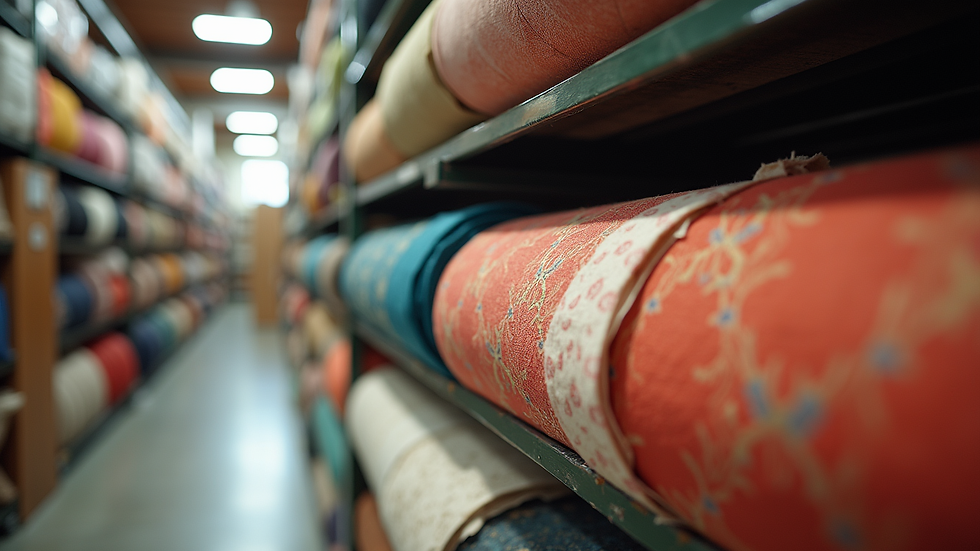
Eye-level view of a fabric store shelf with diverse textile rolls
The Future of Textiles in Fashion
The future of fashion depends heavily on textile innovation. As consumers become more aware of environmental and ethical issues, demand for sustainable and ethical textiles will grow. This shift encourages brands to invest in research and development of new materials.
Biodegradable fabrics, recycled fibers, and low-impact dyeing processes are gaining traction. These innovations reduce waste and pollution while maintaining style and quality. Additionally, digital printing and 3D knitting technologies allow for customization and zero-waste production.
Fashion brands that embrace textile innovation will lead the market. They will offer products that combine style, comfort, and responsibility. This approach aligns with the growing desire for diverse and culturally inspired fashion, including African products that celebrate heritage and craftsmanship.
Embracing Textiles for a Unique Fashion Statement
Textiles are more than just fabric. They are the foundation of fashion trends and a key to expressing individuality. By understanding textiles, you can make informed choices that reflect your style and values. Whether you prefer classic natural fibers or cutting-edge smart textiles, the right fabric can transform your wardrobe.
Explore different textiles, experiment with textures and patterns, and appreciate the stories behind the fabrics. This journey will enrich your fashion experience and help you stand out with confidence. Remember, fashion is a form of self-expression, and textiles are the canvas.
By focusing on textile innovation in fashion, you can support brands that value diversity, culture, and sustainability. This approach not only enhances your style but also contributes to a better fashion industry.
Thank you for joining me in exploring the vital role of textiles in fashion trends. I hope this guide inspires you to look closer at the fabrics you wear and discover the endless possibilities they offer.


Comments